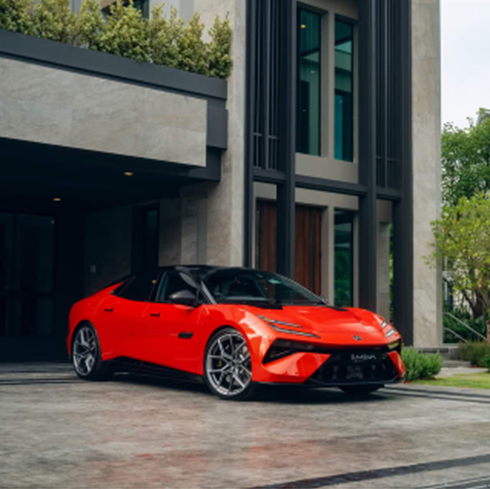
Driving Test Drives Through Creative Optimisation on Meta
Driving Test Drives Through Creative Optimisation on Meta
Lotus Cars is renowned for precision engineering, dynamic performance, and distinctive design, spanning both high-performance sports cars and next-generation electric vehicles.
Across UK Meta activity for the Emira and its EV models (Eletre and Emeya), click-through rate (CTR) and cost per lead (CPL) were showing signs of creative fatigue, limiting the volume of high-quality test drives being generated.
The challenge was clear: reinvigorate engagement, improve efficiency, and drive more qualified test drives, without increasing media spend. Crucially, any uplift needed to be directly attributable to creative, not changes in targeting or budget.
We implemented a creative-first optimisation strategy designed to isolate and unlock performance gains.
First, we conducted a comprehensive audit of historical Meta creative performance, analysing asset-level data to identify patterns in engagement, messaging resonance, and visual impact. This enabled us to pinpoint which creative variables were driving action, and where fatigue had set in.
From this analysis, we developed a clear roadmap:
Prioritise high-performing existing assets
Refine messaging to emphasise performance and design credentials
Introduce new creative formats to re-engage audiences
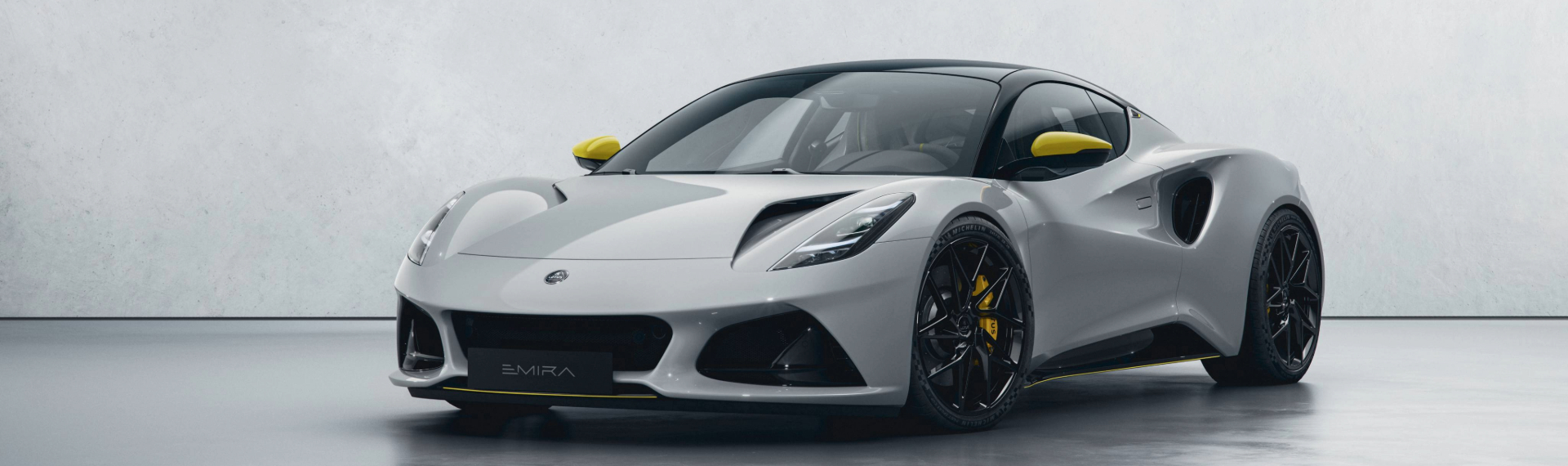
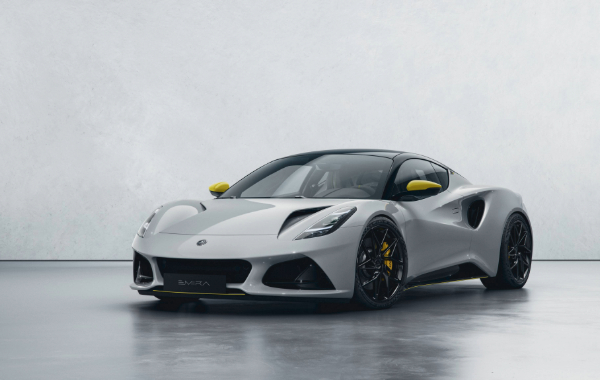
In early September 2025, the Emira campaign was refreshed with new visual assets and messaging spotlighting its performance heritage and distinctive design.
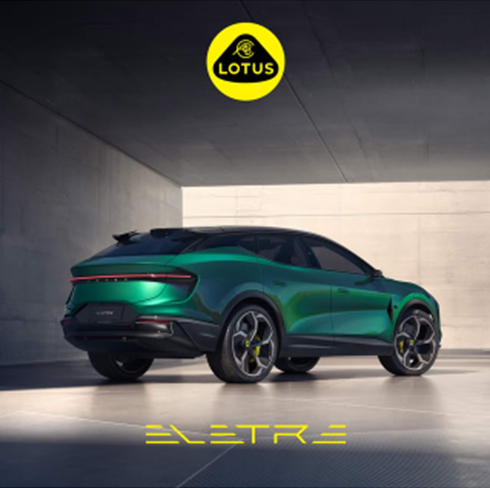
At the start of October, the EV campaign followed with new static creatives highlighting the striking design and electric innovation of the Eletre and Emeya models.
Importantly, campaign structure, targeting, and optimisation towards test drive generation remained unchanged. This ensured any performance uplift could be confidently attributed to the creative refresh alone.
Increase in CTR (Click-Through Rate)
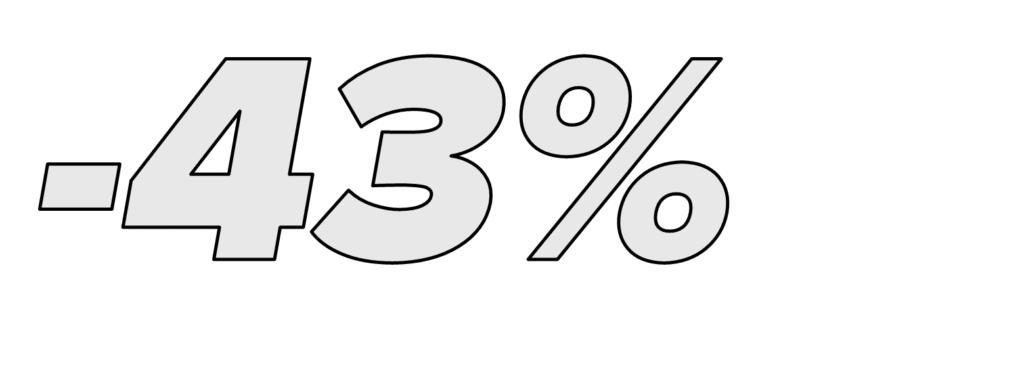
Reduction in CPL (Cost Per Lead)
Reduction in CPC (Cost Per Click)
The approach demonstrated the direct commercial impact of creative optimisation on Meta performance. By isolating creative as the core variable, we proved that strategic refreshes could unlock substantial efficiency gains, drive higher engagement, and generate more high-quality test drives, without additional investment.