
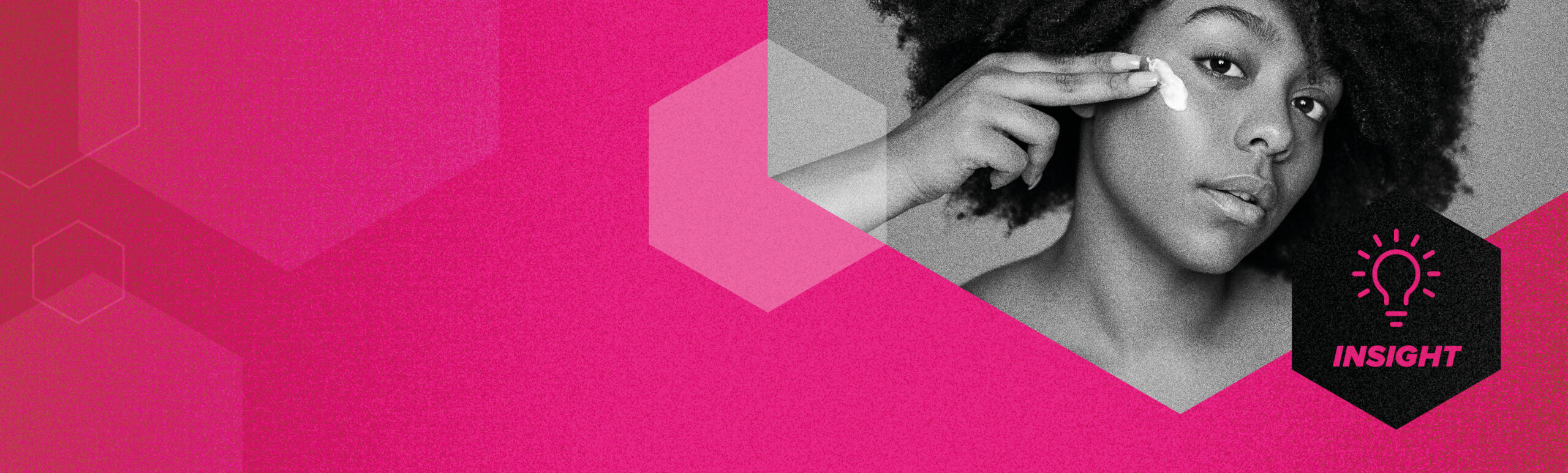
From foundation matching to skincare routines, beauty has always been deeply personal. But for years, the gap between what brands knew about their customers and what they could actually do with that knowledge remained wide.
AI is now closing that gap and closing it fast.
From virtual try-ons and skin diagnostics to personalised product recommendations and AI-generated creative, the opportunity is clear. But for many beauty brands, the challenge isn’t understanding the potential it’s knowing where to start without being overwhelmed.
The brands pulling ahead aren’t trying to reinvent everything at once. They’re focusing on where AI can enhance the customer experience and drive measurable impact quickly and building from there.
The real question is no longer whether to adopt AI it’s where to start to see results in the next 90 days.
Where AI is already driving impact in beauty.
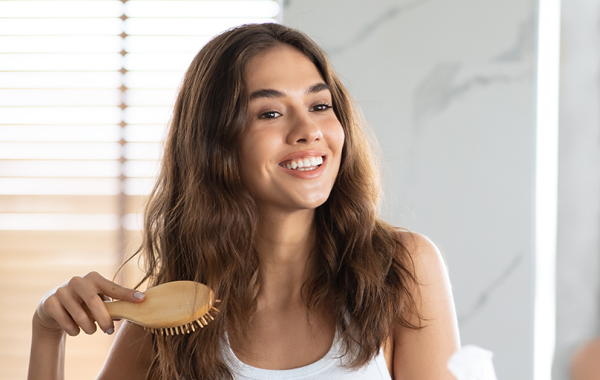
AI-powered skin diagnostics and shade-matching tools are transforming how customers discover products; helping them find the right foundation, skincare routine or haircare solution with confidence. The result is not just a better experience, but higher conversion and fewer returns.
At the same time, AI is reshaping how beauty brands create content. From generating multiple versions of campaign visuals to adapting assets across platforms, AI enables brands to test different looks, tones and messages at speed whether that’s a bold lip for TikTok or a premium skincare aesthetic for paid social.
AI is also helping brands unlock growth beyond saturated channels. Instead of relying solely on search and social, brands can identify emerging trends, micro-communities and new demand signals, from skincare concerns to ingredient-led trends, and act on them faster.
Underpinning all of this is data. Brands that are connecting signals across e-commerce, CRM, in-store and media are building a more complete view of the customer enabling more relevant recommendations, better targeting and stronger loyalty.
Looking ahead, the next shift is already emerging – agentic commerce. From AI assistants recommending the right routine to automatically replenishing products, the way consumers discover, and purchase beauty is set to become even more seamless and personalised.
How to start actioning AI.
Trying to apply AI across every touchpoint can quickly become overwhelming. The most effective approach is to start small, prove value, and scale, by focusing on one clearly defined problem you want to solve.
Focus on a single, high-impact use case within your existing customer journey, for example, improving product discovery through smarter recommendations, or increasing campaign performance through faster creative testing. Run a controlled pilot, measure the commercial impact (conversion, basket size, CPA), and use those results to build internal momentum.
In parallel, ensure your data foundations are strong enough to support this; connecting e-commerce, CRM and media signals so AI can learn and optimise effectively. From there, scale what works.
The brands seeing results are those treating AI as an iterative growth lever, enhancing how customers discover, choose and repurchase products rather than a one-off transformation project.
Where are you today?
Most beauty brands are already using AI in some form whether that’s basic product recommendations, automated media bidding or early experiments with virtual try-on. The difference lies in how connected, scalable and commercially impactful those efforts are.
Understanding your current stage helps identify where AI can drive the fastest return:
Level 1: Foundational (rules-based personalisation)
Basic segmentation (e.g. past purchases or browsing). Personalisation is static and siloed.
Challenge: Fragmented experience that doesn’t reflect individual needs (e.g. skin type, tone, concerns).
Level 2: Experimenting (AI in media and creative)
AI used in pockets (creative, media, on-site, try-on). Early performance gains.
Challenge: Impact is inconsistent and not connected across the journey.
Level 3: Scaling (connected data and automation)
Data across CRM, media and e-commerce is connected. AI drives optimisation across the full journey.
Challenge: Maintaining data quality and consistency at scale.
Level 4: Leading (agentic and predictive experiences)
AI is embedded end-to-end, enabling personalised routines, proactive recommendations and replenishment.
Challenge: Keeping pace with evolving capabilities and expectations.
Most beauty brands today sit between Levels 1 and 2, often experimenting with tools, but not yet delivering a truly personalised, end-to-end experience. The opportunity is to move quickly into focused use cases that improve how customers discover, choose and stay loyal to products.
AI sets the ceiling. People decide how high you go.
In beauty, where trust, identity and experience matter as much as the product itself, AI is a powerful enabler, but it works best when guided by human insight.
The brands seeing the strongest results are those combining AI with deep category understanding from shade nuances and skin concerns to cultural trends and brand positioning.
Because ultimately, AI can personalise at scale but it’s people who make it meaningful.
We work with beauty brands to identify where AI can create the most meaningful commercial impact, from customer experience through to performance. If you’d like a tailored view of the opportunities for your brand, get in touch: hello.threepipe@reply.com.