
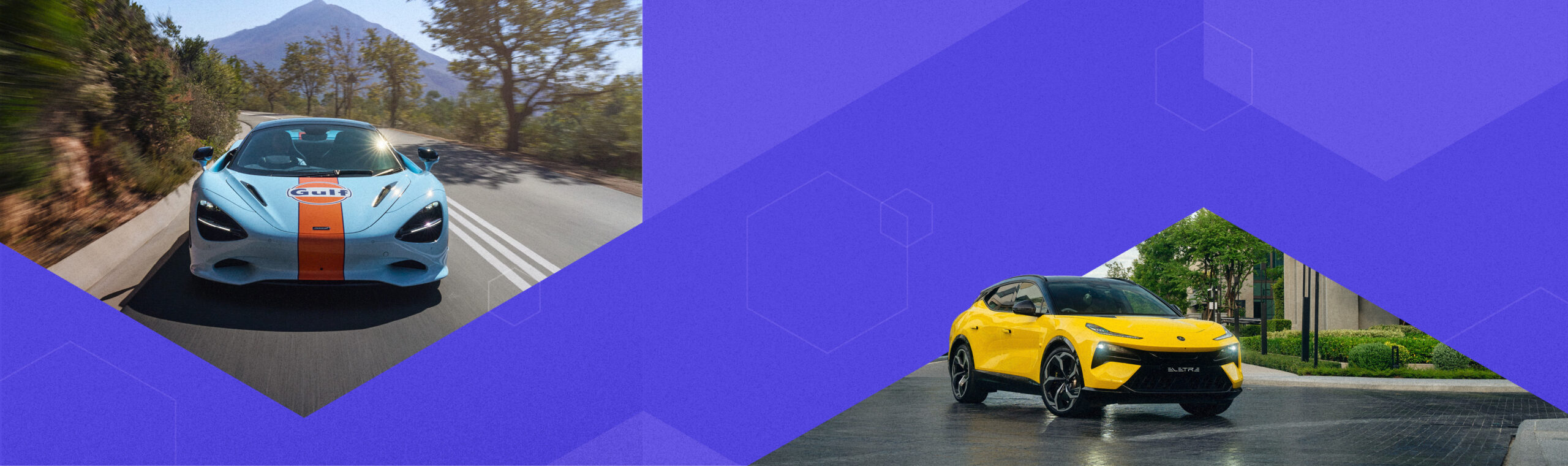

The automotive industry is going through a major transformation. Electrification, software, and new business models are often seen as the headline changes. But the real shift is happening elsewhere. It’s in how brands understand, engage, and build relationships with their customers.
For years, automotive marketing followed a familiar pattern. Big campaigns. Product launches. Long ownership cycles. That model is breaking down. Today’s customer expects something very different. They want relevant, timely, and personalised interactions across every touchpoint.
This is pushing brands to move from campaign-based marketing to continuous engagement.
At the centre of this shift is data. More specifically, how well organisations can unify and activate it. A single customer view is no longer a nice-to-have. It’s the foundation for delivering meaningful experiences.
Without it, interactions remain fragment and inconsistent.
But collecting data is only part of the story.
The real challenge is usability.
Many organisations have invested heavily in Customer Data Platforms (CDPs) yet struggle to turn that data into action. Dashboards are often complex. Insights are buried. And the people who need to act on them, especially in sales and front-line roles, can’t easily access or interpret what’s there.
This is where the next wave of transformation is happening.
CDPs need to become more accessible, more intuitive, and more action-oriented. It’s not enough to show what has happened. Teams need to understand what to do next.
What does that look like in practice?
It means translating data into clear signals. Which customer is ready to convert? Who is at risk of dropping off? What message or offer should be delivered now?
It also means putting these insights in the hands of more than just marketing teams. Sales staff, dealership teams, and customer support all play a critical role in shaping the experience. If they don’t have a clear view of the customer, the experience breaks down.
A salesperson who understands a customer’s history, preferences, and intent can have a far more relevant conversation. A well-timed follow-up becomes natural, not intrusive. The experience feels connected rather than disjointed.
This is where many automotive organisations are still catching up.
They have the data. They have the platforms. But they are still working out how to simplify, operationalise, and scale their use.
The opportunity is clear. Brands that make their data easy to understand and easy to act on will create stronger, more consistent customer experiences. They will move faster. They will build deeper relationships.
And in a market where switching is easier than ever, that will be the difference.
Because in today’s automotive landscape, success isn’t just about building great cars.
It’s about knowing your customer and knowing what to do next.